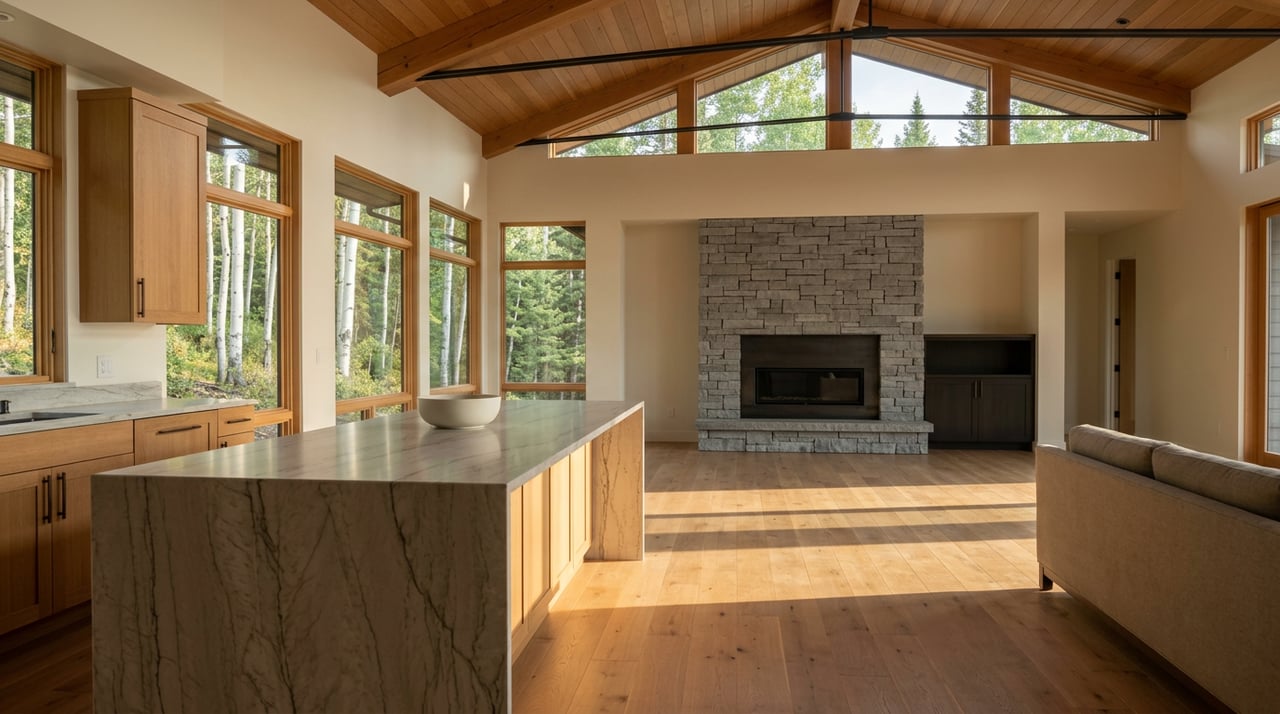
What To Know Before Buying In Jordanelle Ridge
March 24, 2026
March 24, 2026
Picture waking up to big-sky views over Jordanelle Reservoir, then heading out for a trail run before brunch in Park City. If you’re eyeing new construction in Jordanelle Ridge, you likely want clarity on what’s real today, what’s planned, and how the purchase process actually works. This guide walks you through builders, amenities, contracts, timelines, warranties, and smart questions to ask so you can buy with confidence. Let’s dive in.
Jordanelle Ridge is a large, master-planned community on the mountainside north of Heber City with proximity to Park City and Deer Valley. The developer markets an approximately 8,000-acre master plan with residential neighborhoods staged over time. You’ll see recurring themes here: views, trail access, and a lifestyle tied to the lakes and slopes. For the big-picture overview of neighborhoods, amenities, and planning, start with the official Jordanelle Ridge site.
The master developer has engaged multiple national builders, and phases release in waves. Expect that inventory, pricing, and incentives shift quickly by product type and by release. You’ll want to verify current availability and inclusions directly with each builder’s sales center before you sign anything.
Local reporting and developer materials point to a multi-builder lineup that has included Pulte Homes (Deep Creek), Toll Brothers, Lennar, PH | Omni (PureHaven Homes), and smaller partners such as Timberidge. Product types span townhomes and attached homes to move-up single-family and higher-end custom or luxury lots in enclaves like Marcella. See the latest builder mix and phase notes in the Park City area coverage on Jordanelle Ridge’s rollout and sales pace. For a snapshot of who is building and how it’s progressing, review this Park Record report.
Early pricing mentioned in public materials has ranged around the mid to high $500Ks for certain Lennar townhomes or single-family offerings, with Toll Brothers positioning larger luxury single-family homes at higher price points. Treat these as illustrative only. Always confirm current pricing, incentives, design package costs, and delivery timelines with the specific builder’s on-site team noted above and in the Park Record coverage.
A private amenity program called the Ridge Club is part of the Jordanelle Ridge lifestyle story. Developer materials describe fitness, courts like pickleball, a clubhouse or gathering barn, gear services, and a private trail network. Access and membership structure vary by neighborhood, so verify what your specific home includes using the developer’s amenity overview.
At the top end, the broader master plan features a private-club component called Marcella with a Tiger Woods–designed championship golf course. The course and club facilities have been announced and are part of the higher-end vision, though timelines evolve with construction and approvals. If a golf membership is key to your decision, double check current schedules and membership details. For context, see Golf Digest’s summary of the Marcella club and Tiger Woods course announcement.
Lifestyle-wise, the community emphasizes access to trails, mountain biking, and the Jordanelle Reservoir, plus quick drives to skiing and dining in Park City and Deer Valley. The amenity rollout is staged, so treat renderings and timelines as projections until the doors are open. Confirm access and inclusion in writing before you commit.
When you walk into a builder’s sales office, the representative works for the builder. Their job is to sell that builder’s homes, lots, designs, and preferred lender programs. To protect your interests, consider hiring an independent buyer’s agent to review terms, track deadlines, and negotiate change orders or credits. This is a common best practice in new construction and is reinforced by local advisory resources for Jordanelle Ridge buyers, such as the INHABIT neighborhood guide. Always confirm whether the builder offers a cooperating-broker commission and get your agent’s registration in writing before touring models.
Lot or home reservation. You’ll typically reserve a specific lot or a quick-move-in home with a deposit. Policy varies by builder, including whether the deposit is refundable and how it applies to your purchase price. Ask for the reservation agreement in writing and confirm it matches what you discussed. Reference the process overview on the community site.
Sales contract. Builders use their own purchase agreements instead of the standard resale contract. Expect phased deposits, option-selection deadlines, and specific change-order rules. Read carefully for acceptance timelines, arbitration or dispute clauses, and completion language.
Design selections. Once under contract, you’ll attend the builder’s design studio to select finishes like cabinets, counters, flooring, and lighting. Plan for a deep initial appointment and a finalization deadline. Missing a deadline can lock you into defaults or trigger fees. For a sense of how this process works, review the Toll Brothers design studio walkthrough.
Construction and inspections. Build time depends on product type and weather. Townhomes often deliver faster than custom single-family. Independent staged inspections are recommended at key milestones like foundation, pre-drywall, and final. Municipal inspections do not catch everything, and national reporting suggests buyers now have more leverage to request access for third-party inspections. See this overview on buyer leverage and inspections from Quartz.
Final walkthrough and warranty. Before closing, you’ll complete a punch list and final acceptance. After you move in, many national builders use a 1-2-10 style warranty: 1 year for workmanship, 2 years for systems, and up to 10 years for major structural items. Review the written limited warranty and ask who administers claims. For an example of how a national builder frames coverage, see Pulte’s warranty brochure. Utah courts also recognize an implied warranty of workmanlike construction and habitability for new homes. For legal background, review the Utah Supreme Court’s Davencourt decision here.
Builders often require a reservation deposit followed by staged earnest money. Amounts and refundability differ by builder and phase, so get the deposit schedule and refund rules in writing. Also look closely at option allowances. Base prices do not include all upgrades, and the true cost of your selections can exceed your initial expectation. The design studio guide from Toll Brothers explains how choices and deadlines impact price.
Negotiate access for staged inspections and set clear acceptance criteria for your final punch list. Ask for dates well in advance so your inspector can plan around foundation and framing milestones. Independent inspectors who routinely work on new builds know where to look for common misses. National reporting on today’s new-home market suggests buyers can often secure this access. Read the inspection-access takeaways in Quartz’s overview.
Obtain and read the full warranty booklet before you sign. Confirm whether the structural warranty is backed by a third-party insurer and how claims are escalated. Many national builders follow a 1-2-10 framework similar to what you’ll see in Pulte’s warranty materials. In addition to any written warranty, Utah recognizes an implied warranty of workmanlike construction and habitability, which provides a legal backstop for latent defects. See the Utah Supreme Court’s analysis in Davencourt v. Davencourt.
Ask for the current HOA documents and fee schedule for your exact neighborhood. Clarify what your dues cover, including landscaping, trail maintenance, and operations for any club facilities. Membership terms for the Ridge Club and high-end programs like Marcella vary by product line. The developer’s site summarizes the amenity vision, but you should verify inclusions directly using the Jordanelle Ridge overview.
Short-term rental rules are a moving target affected by county policy and HOA covenants. A prior community FAQ indicated nightly rentals were allowed under Wasatch County rules at that time. Policies can change, so check both local regulations and your neighborhood’s CC&Rs. For reference, see the Jordanelle Ridge FAQ and then confirm current rules with the HOA.
Townhomes can offer faster occupancy, more standardized finish packages, and simpler pricing transparency. Verify whether exterior maintenance is included and whether your HOA dues cover amenity access. For a flavor of the townhome offering and model activity, see Lennar’s Jordanelle Ridge feature on its Resource Center.
Single-family homes introduce more lot-specific variables. Consider orientation for sun and driveway slope, plus whether basements or walkouts fit your needs. Ask which adjacent phases are planned and whether they could impact views or privacy. Local reporting has highlighted the value of view lots and the importance of understanding future buildout.
Bring this list when you tour models and lots. Ask for every answer in writing.
Jordanelle Ridge offers a compelling Wasatch Back location with a growing slate of amenities, a range of home types, and views that define mountain living. The smartest path is simple. Verify amenity timelines and membership terms in writing, understand the builder’s contract and deposit milestones, hire your own agent and inspector, and keep a close eye on design selections and deadlines.
If you want a calm, data-led partner to help you compare neighborhoods, tour lots, and manage the new-build process from reservation to warranty, reach out to Inhabit Park City - Julie Snyder. We will set a plan that matches your lifestyle and timeline, then guide every step with clear communication.
Stay up to date on the latest real estate trends.
We are committed to guiding you every step of the way—whether you're buying a home, selling a property, or securing a mortgage. Whatever your needs, we've got you covered.