Out-Of-State Buyer’s Guide To The Colony
Blog April 23, 2026
Blog April 23, 2026
Buying a luxury mountain property from another state can feel simple on the surface until you realize you are not just choosing a home, but also a community, a set of building rules, and a long-term ownership structure. If The Colony is on your shortlist, you are likely looking for privacy, ski access, and a property that works beautifully whether you visit often or manage much of the process remotely. This guide will help you understand what out-of-state buyers should know before purchasing in The Colony at White Pine Canyon, from access and approvals to build logistics and ongoing ownership costs. Let’s dive in.
The Colony at White Pine Canyon is a gated, ski-in/ski-out residential community within the Park City mountain system. According to The Colony HOA, the community includes up to 299 homesites across 4,600 acres, which gives it a very different feel from a typical luxury subdivision.
For many out-of-state buyers, the first surprise is scale. You may see a parcel with significant acreage, but what you are really buying is a combination of land, ski access, privacy, community oversight, and a defined building opportunity shaped by design rules and infrastructure.
One reason The Colony draws non-local buyers is convenience. Visit Park City notes that Park City is about 35 minutes from Salt Lake City International Airport, which makes it realistic to fly in for property tours, design meetings, inspections, or key construction milestones without adding a long regional transfer.
That travel access matters if you plan to buy now and build later, or if you want a second home that is easy to reach for short stays. It also supports a more flexible ownership pattern for buyers who split time between Park City and another primary residence.
The Colony is known for large homesites, and Summit County records show that parcels can span many acres. But the most important planning tool is not raw acreage. It is the development envelope.
According to The Colony’s Design and Development Guidelines, all structures and most site improvements other than the driveway must stay within that envelope. That means your usable building area is more controlled than the parcel size alone may suggest.
The same guidelines cap total site coverage within the development envelope at 20,000 square feet, with exceptions generally reserved for the largest homesteads and never above 40,000 square feet. A homesite may allow a single-family home, a guest house, barns or accessory buildings, and personal-use recreation amenities.
There are limits within those allowances too. For example, the guest house footprint may not exceed 2,500 square feet. If you are comparing The Colony to other luxury mountain communities, this is an important distinction: the community offers space and privacy, but not a free-form estate build without review.
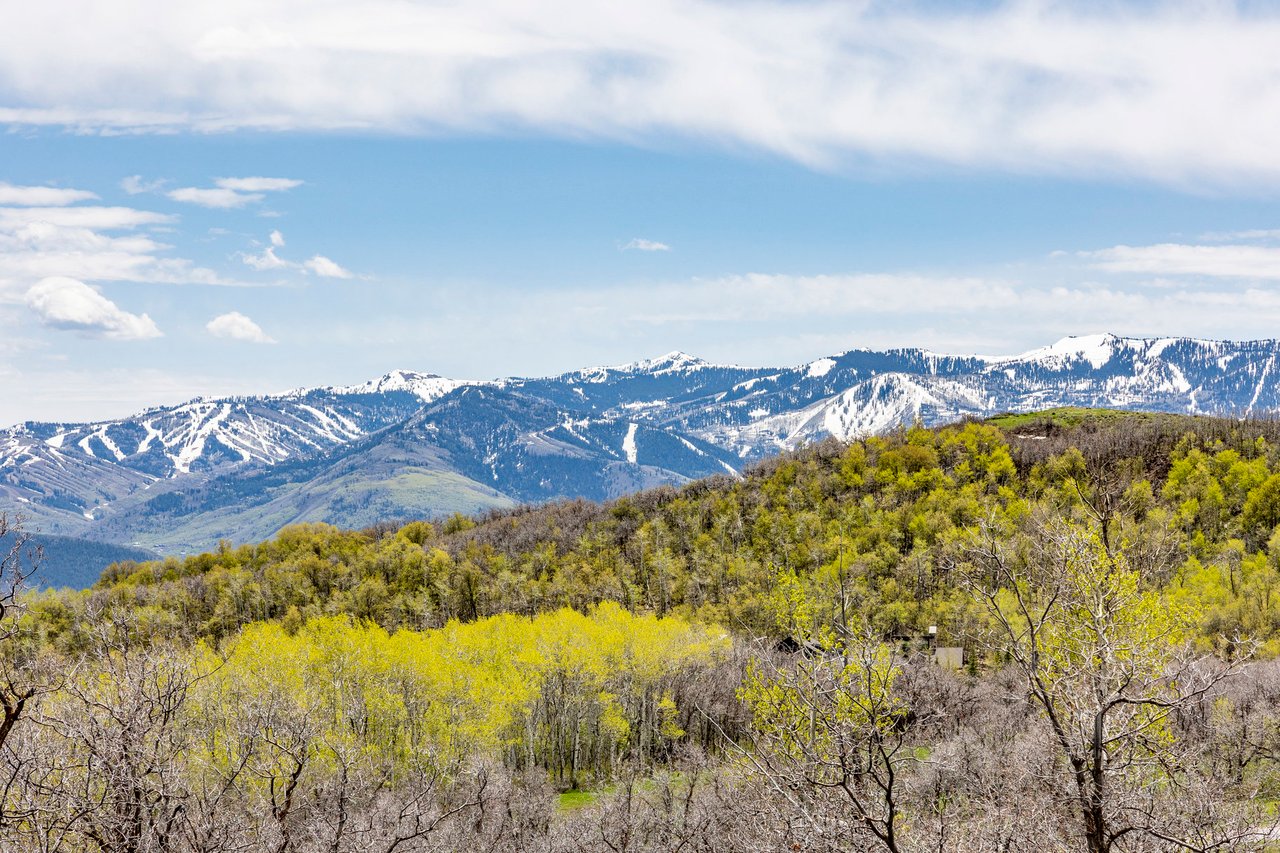
The Colony’s appeal is closely tied to its position within Park City Mountain. On the resort’s mountain information page, Park City Mountain lists 7,300 acres of skiable terrain, 41 lifts, and more than 330 trails.
For buyers, that means ski access is not just about being near a resort. It is about direct integration with one of the largest lift networks in the country. The Quicksilver Gondola, installed in 2015, also connects the former Park City Mountain Resort and Canyons Resort base areas, which strengthens the value of being positioned inside that broader terrain network.
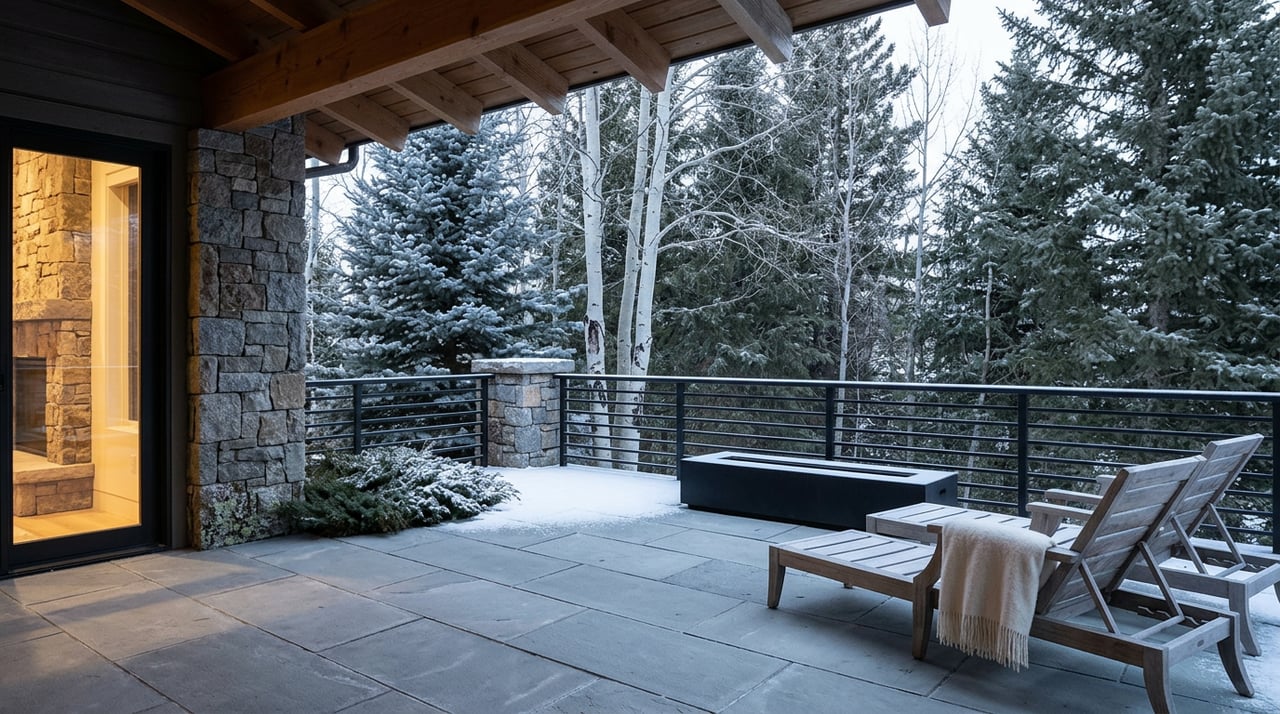
It is easy to think of The Colony as a winter-only purchase, but the community’s open-space framework supports year-round use. The guidelines permit hiking, biking, equestrian trails, meadows, ponds, pastures, and picnic shelters within its natural open-space approach.
If you are buying for lifestyle as much as skiing, this matters. You are not only purchasing winter access. You are also buying into a mountain setting that can support summer and fall stays in a meaningful way.
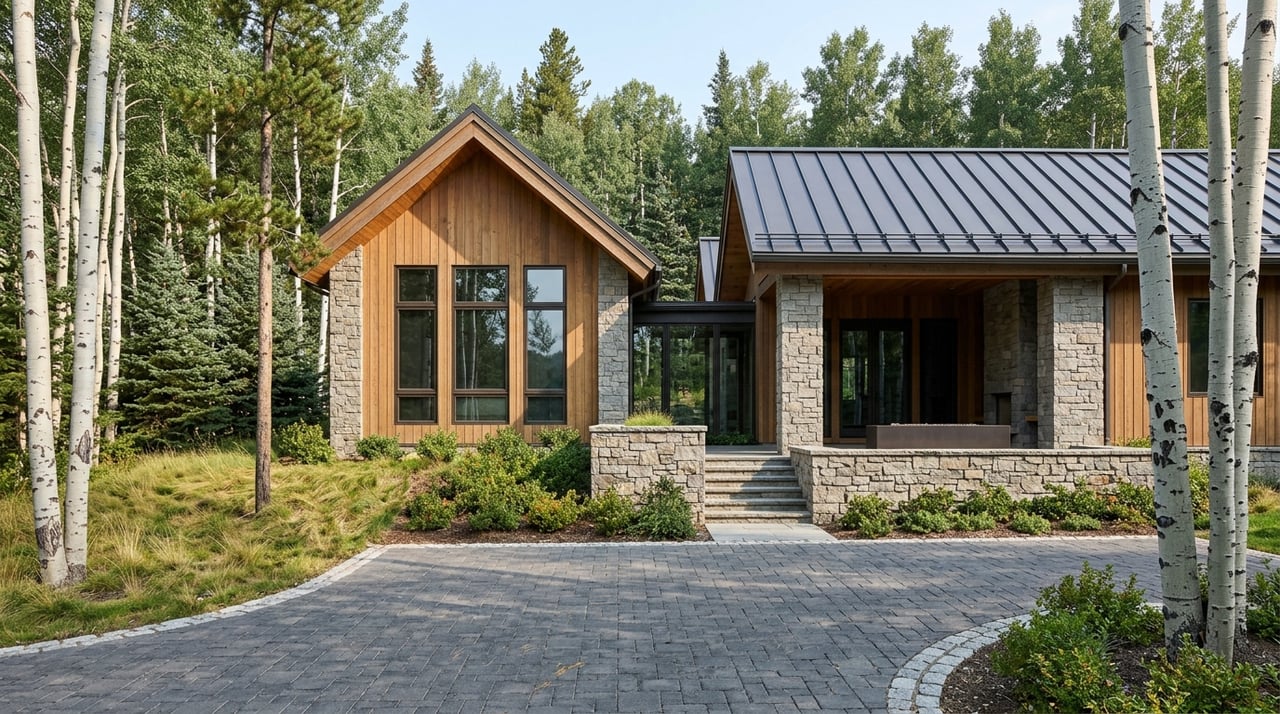
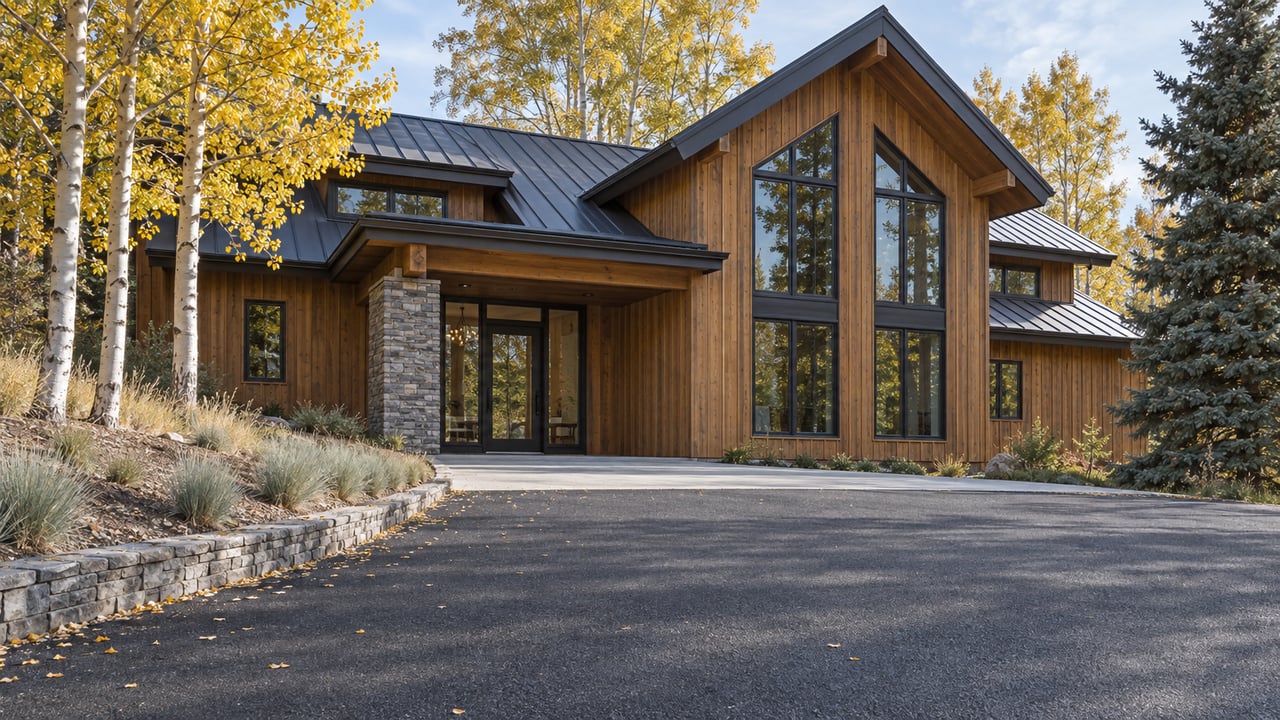
The Colony does not require one fixed architectural style. Instead, its guidelines push homes toward a low-visibility, terrain-sensitive mountain character.
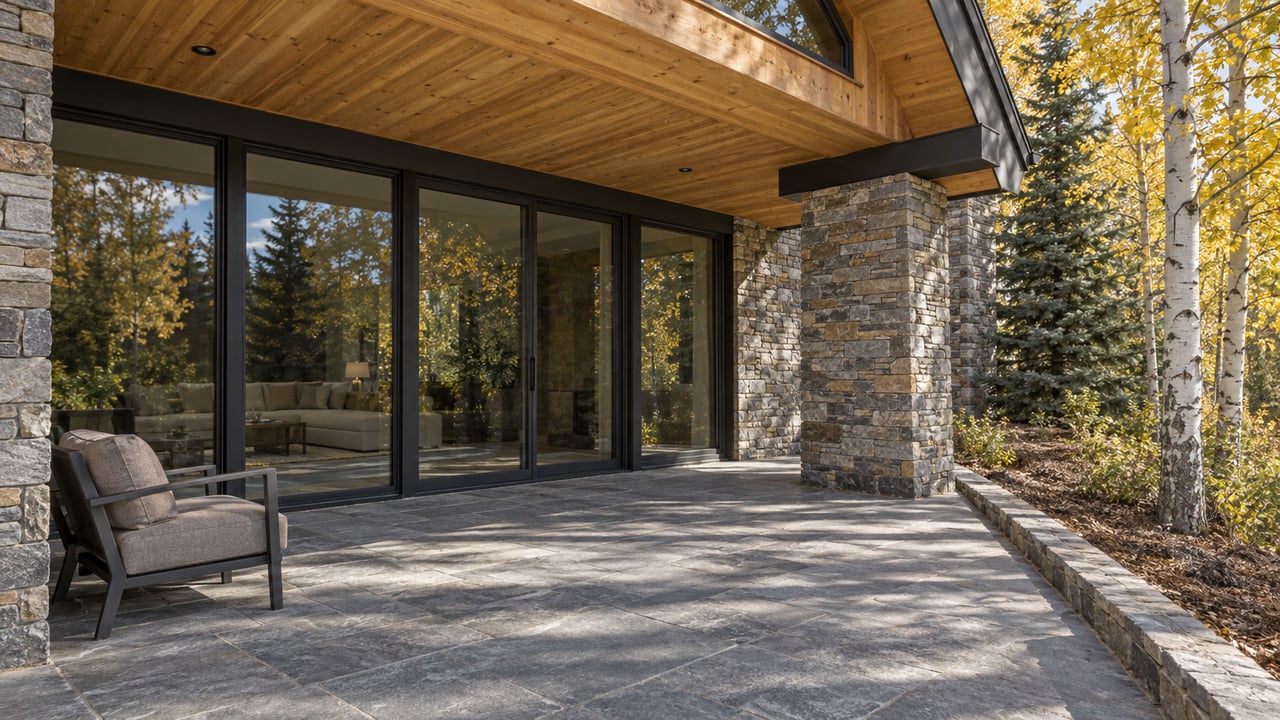
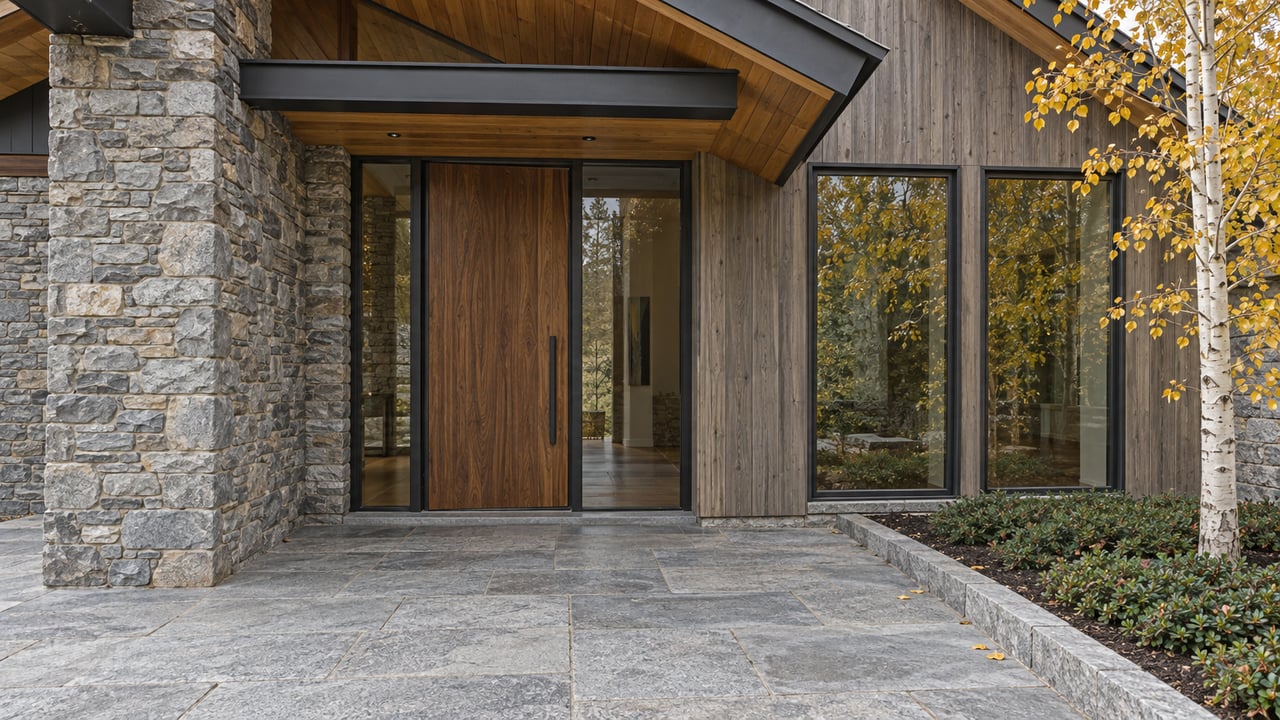
Structures should harmonize with the site, massing should step with topography, and exterior materials generally include natural or stained wood, stone, and logs. The guidelines also call for non-reflective, darker-toned roofs, discourage mirrored glass and synthetic-looking finishes, and keep building height to Summit County’s 32-foot residential standard.
If you are building from out of state, utility standards matter because they affect cost, timing, and long-term function. The Colony requires utility lines to be underground, and utility alignments are generally kept inside the driveway corridor unless another route is approved.
The guidelines also require a 2-inch conduit from the street to the home, guest home, or barn for future wire or fiber service. In practical terms, the community is designed to support modern residential infrastructure while keeping visual clutter out of the landscape.
Water, sewer, gas, and site engineering deserve early review, especially if you are evaluating land rather than a completed home. The Colony emphasizes water conservation, allows only drip or spray irrigation when using the central water supply, and encourages devices like rainfall shutoff controls.
Private wells may be permitted only with SARC approval and the required water rights and permits. The guidelines also state that homesites are served by a sanitary waste sewer system, and sewer connection fees are owed to the Snyderville Basin Water Reclamation District.
Gas planning also has a mountain-specific wrinkle. The guidelines note that gas meters need protection from snow and ice pressure around meter connections, which is a small but useful example of why local design and builder experience matters.
For absentee owners, The Colony is not only a real estate purchase. It is also a land stewardship and risk-management decision.
The guidelines require that before construction using combustible materials, the surrounding area within 400 feet must be cleared of dead, medium-, and high-hazard vegetative fuels. That means wildfire mitigation should be part of site planning from the beginning, not something addressed later.
In The Colony, design and construction review goes beyond county approval. SARC review is also required, and the process includes a pre-planning meeting, conceptual design review, and final plan review under the community guidelines.
That structure can actually be helpful for out-of-state buyers because it creates clear checkpoints. The guidelines also state that prospective buyers may request a non-binding pre-purchase consultation before buying a homesite, which can offer useful early feedback before you commit.
One detail remote buyers should not miss is that the guidelines require personal participation by the owner or a representative who is not the architect or contractor. In other words, this is not a community where you simply hand everything off and disappear.
You can absolutely manage the process from another state, but you should expect a hands-on workflow with organized local coordination. That is one reason many buyers benefit from experienced representation and project support throughout the purchase and build process.
The mountain calendar directly affects construction logistics. The Colony’s rules state that ski trails are closed to all construction activity, and from November 1 through June 1 there is no access for construction or adjacent excavation that would affect ski trails.
For you, that means build timelines need to account for winter restrictions from the start. If a property has ski-trail adjacency, construction scheduling is not just about contractor availability. It is also about seasonal access rules that can shape the pace of the project.
Luxury buyers often focus first on purchase price, but ownership costs are a major part of the decision. The HOA states that 2026 homeowner dues are $29,000, so that should be part of your comparison when weighing The Colony against other mountain ownership options.
If you plan to build or renovate, there are additional process costs. The Colony’s guidelines list review fees of $9,000 for new construction, $6,000 for major renovations or additions, and $2,500 for minor renovations or landscape modifications.
Those fees generally cover up to five meetings and 18 months of inspections. Projects extending beyond 18 months may incur a $300 monthly oversight fee, and construction also carries a $200 monthly site security fee.
The Colony’s process includes seven mandatory inspections for new construction and renovations. These begin with foundation completion and continue through material and final review checkpoints.
For remote owners, that inspection cadence can be reassuring because it adds structure and accountability. At the same time, it reinforces that The Colony is a high-touch ownership environment, not a minimal-oversight build setting.
The community does offer systems that make remote ownership more manageable. According to The Colony HOA’s gatehouse and security information, the gatehouse is open 24 hours a day, and the 2025 process allows homeowners and registered passes to move through without stopping.
QR-code guest lists are accepted, property managers can authorize access, and UPS, Amazon, and FedEx deliveries are allowed. For buyers who will not be onsite full time, that setup can make arrivals, service visits, and deliveries much easier to manage.
If part of your purchase strategy involves short-term rental income, review the rules carefully. The HOA’s short-term rental policy prohibits timeshare and shared-use programs, prohibits commercial uses, and states that a homestead may not be rented more than once in any 28-day period.
That makes The Colony a better fit for buyers seeking a private residence or second home than for those seeking hotel-style rental turnover. Before you buy, make sure your ownership goals align with that framework.
If you are seriously considering The Colony, start with a clear plan. The community can work very well for remote buyers, but the smoothest transactions happen when you understand the process early.
Here is a practical starting checklist:
The right property in The Colony can offer privacy, direct ski access, and true four-season mountain living. But it rewards buyers who approach the purchase with both lifestyle vision and careful planning.
If you are exploring The Colony from out of state, working with a local team that can pair market insight with on-the-ground coordination can save time and reduce friction at every stage. When you are ready to explore homesites, existing homes, or the realities of building in this community, connect with Inhabit Park City - Julie Snyder.
Stay up to date on the latest real estate trends.
Blog

Blog
Blog

Blog
Blog
We are committed to guiding you every step of the way—whether you're buying a home, selling a property, or securing a mortgage. Whatever your needs, we've got you covered.