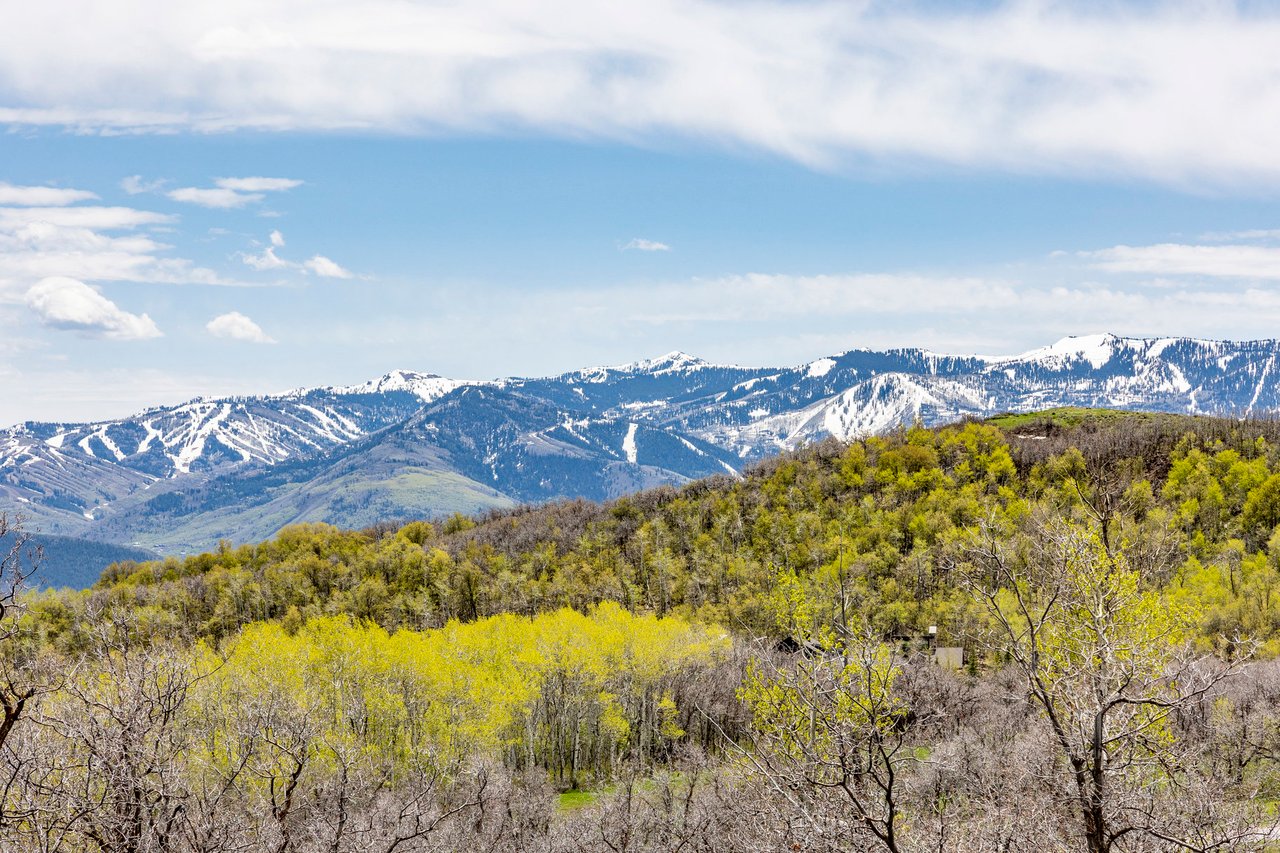
Inside Deer Valley’s Ski-In, Ski-Out Lifestyles
February 19, 2026
February 19, 2026
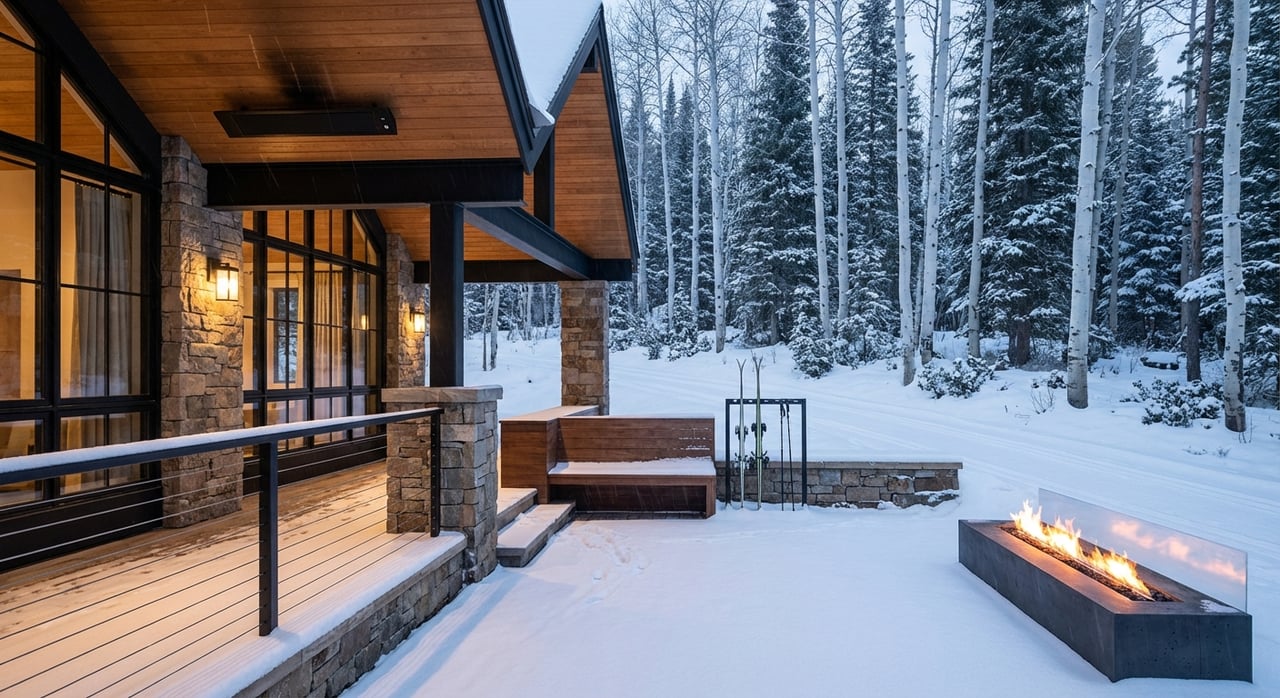
If you picture stepping into your boots, opening the mudroom door, and gliding straight onto corduroy, you are not alone. “Ski‑in, ski‑out” living is one of the big reasons you look at Deer Valley. The catch is that not all ski access is created equal. A 30‑second glide can feel very different from a short boot walk or a shuttle ride, and that difference shows up in your daily routine and in the price you pay. In this guide, you will get a clear look at how ski access actually works across Deer Valley’s sub‑neighborhoods, what types of homes you will find, and the ownership details that matter before you buy. Let’s dive in.
In resort marketing, “ski‑in/ski‑out” usually means you can travel on snow from your property to maintained terrain or a lift without using a car. On the ground, access ranges from true door‑to‑lift slope‑side to a short glide, a brief boot walk, or even a quick shuttle or gondola link. The smart move is to verify the exact route and whether it depends on grooming or seasonal snow. For a helpful overview of how claims vary in Park City, see this practical explanation of what ski‑in/ski‑out really means.
In Deer Valley you will hear a few common access types:
Why it matters for you: those last 50 to 300 feet change everything. Daily friction, where you store gear, whether you rely on valet, and even what you drive in winter can shift based on the route. The difference also affects price. Confirm recorded easements, HOA rules, and the exact morning and return paths before you write an offer.
Deer Valley is not one uniform market. It is several distinct lifestyle zones, each with a different feel, property mix, and ski access. A quick neighborhood comparison of Lower vs. Upper vs. East Village is a useful primer: how the main zones differ.
Lower Deer Valley sits at the base near Snow Park Lodge with easy access to Park City’s dining and services. You will find a mix of stacked condos, townhomes, and some single‑family homes, along with a more walkable setup. Many addresses here use a short walk, the free city shuttle, or quick drop‑offs for ski days. You trade a bit of on‑snow immediacy for proximity to town and a broader range of condo options. See a concise overview of how Lower compares to the other zones in this neighborhood comparison.
Mid‑mountain Silver Lake feels like a classic alpine village. Restaurants, a ski beach, Silver Lake Lodge, and luxury hotels cluster here. Many buildings offer genuine on‑snow convenience, and daily life centers around the lifts. Unit orientation still matters, since some residences require a short traverse or a brief boot walk to the lift or ski valet. For a sense of the village setup and services, explore the Silver Lake Village overview.
Empire Pass sits high on Flagstaff and Empire with quiet, ultra‑luxury slope‑side living and a mix of branded residences, boutique buildings, and custom estates. Owners often rely on in‑building parking and private shuttles, which works well for lock‑and‑leave second homes. Iconic properties like Montage Deer Valley illustrate the full‑service model that defines the area. Get a feel for the brand and service style at Montage Deer Valley.
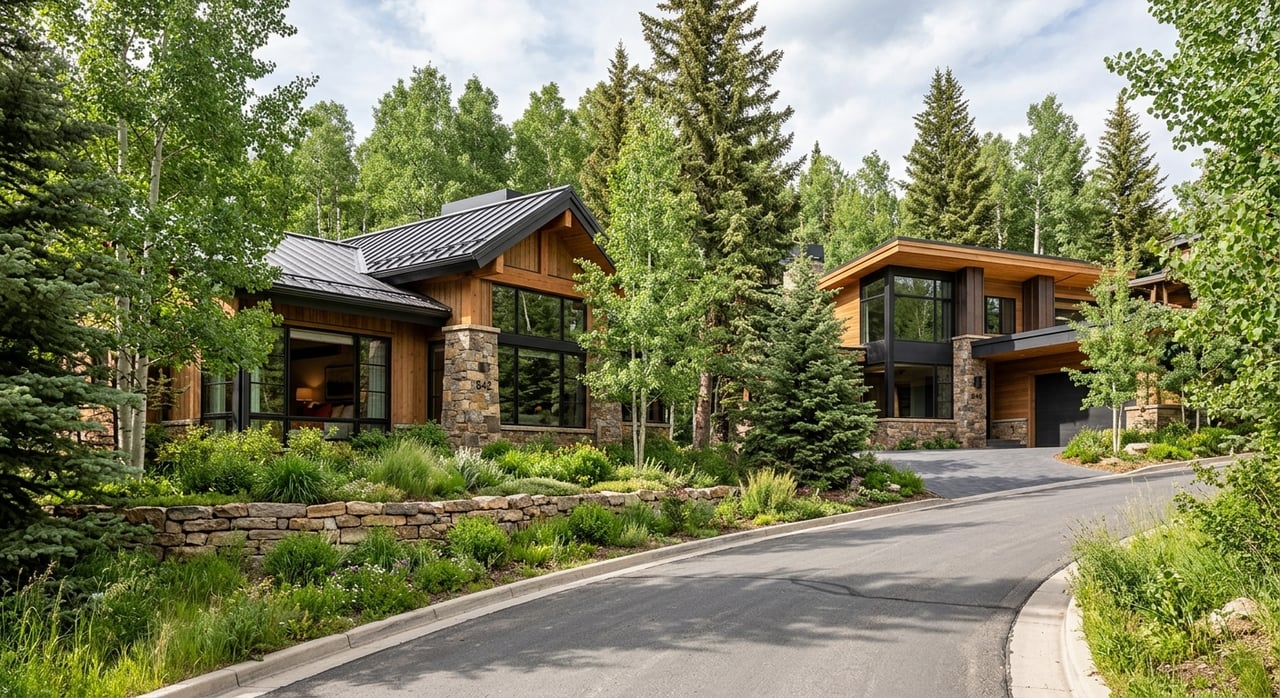
On Deer Valley’s eastern flank above the Jordanelle, Deer Crest offers a gated estate lifestyle with big lake and mountain views. Many homes are true private ski‑in/ski‑out, while others link to the hill by private runs or funicular connections. Product ranges from custom single‑family estates and luxury townhomes to St. Regis Deer Valley residences. Learn more about the enclave in this Deer Crest guide.
East Village is the new front door on the Jordanelle side. It adds a large modern base with hotels, residences, new lifts, and a sizable ski beach. The Grand Hyatt is open, and other branded projects, including Four Seasons, are planned in phases. This expansion adds fresh slope‑side inventory and will influence how people enter Deer Valley in the coming years. Because it is an active development, always confirm specifics like completion timing and rental rules with the developer or listing agent. Read more about the scope in this East Village update.
Across Deer Valley, you will encounter three common ownership styles:
Not all ownership costs are obvious in a quick listing scan. High‑amenity projects often carry multi‑thousand‑dollar monthly or quarterly assessments. The line items can include snow removal, heated walkways, pool and spa operations, shuttles, valet, common‑area staffing, insurance, and reserve funding. A representative listing can help you see the range and billing style; this Founders Place example shows how fees are presented to buyers: sample HOA invoice detail. Always verify what dues include and what is billed separately.
Nightly rental rules are parcel specific. Many Deer Valley addresses sit inside Park City limits, while others fall in unincorporated Summit County. Municipal rules and licensing paths differ, and your HOA covenants can be more restrictive than the city or county. Confirm jurisdiction first, then read the recorded CC&Rs and any amendments for the building or neighborhood. This quick guide outlines the moving parts in plain language: short‑term rental rules for Park City and Deer Valley buyers.
Finally, double‑check how your ski access is legally supported. Many homes rely on recorded easements or shared connector trails. Ask for the deed, plat, and any easement language. If a listing mentions an access route, you should see it in the recorded documents. A clear explainer on why this matters is here: how to vet ski access claims.
Picture your first run of the day. In a true slope‑side unit, you clip in and glide to a lift in under a minute. In a ski‑to‑building setup, you may glide to the entrance, pop your skis in a locker, then take a short boot walk to the lift. If you rely on a shuttle, expect five minutes to gear up, wait, and ride to Snow Park or Silver Lake. None of these are wrong. They just feel different. Over a week, a 30‑second ski‑out changes how quickly you rally the group for first chair, whether you come home for lunch, and how often you call the valet. If you bring kids or guests, shaving small bits of friction can be worth a premium.
Use this step‑by‑step to avoid surprises:
You deserve clear answers before you buy a mountain home. From confirming recorded easements and HOA services to modeling rental scenarios and walking the on‑snow route with you, our role is to bring clarity and reduce friction. If you are exploring Deer Valley’s ski‑in/ski‑out options, let’s talk about how your day actually flows, then tour the neighborhoods that fit. Schedule a Neighborhood Tour with Inhabit Park City - Julie Snyder.
Stay up to date on the latest real estate trends.
We are committed to guiding you every step of the way—whether you're buying a home, selling a property, or securing a mortgage. Whatever your needs, we've got you covered.