How To Evaluate A Homesite At Victory Ranch
Blog July 23, 2026
Blog July 23, 2026
If you are buying land in Victory Ranch, the lot itself matters just as much as the future home you plan to build. Two homesites can look similar on paper, yet offer very different privacy, views, building flexibility, and day-to-day access. If you want to make a confident decision, you need a framework that helps you compare the details that truly shape ownership. Let’s dive in.
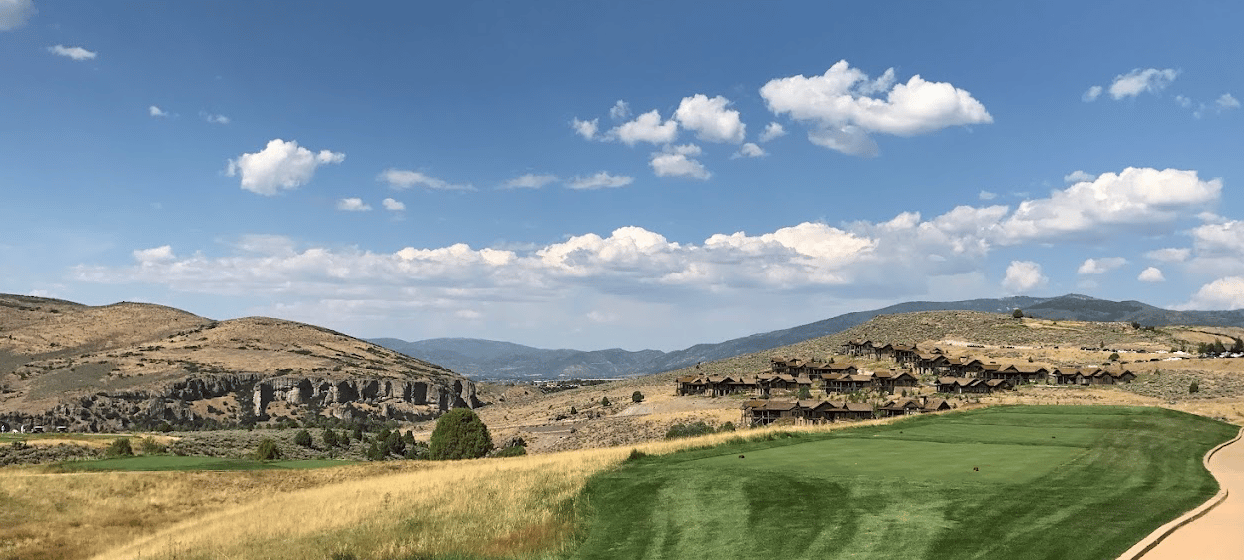
Victory Ranch is a private, low-density mountain community set across 6,250 acres along four miles of the Upper Provo River. Official community materials highlight a four-season setting, with amenities that include the Rees Jones golf course, Freestone Lodge, The Post, The Barn, Stony Lake, the Lost Library, the Park City ski lodge, fly fishing access, and the River Trail system.
That variety is part of the appeal, but it also means the "best" homesite depends on how you want to live. Some buyers want to be close to the social core and activity hubs. Others want more acreage, more separation, and a quieter setting with long mountain views.
Before you compare lot sheets or walk parcels, define your top priorities. In most cases, your shortlist will become much clearer when you rank these three factors:
A beautiful view is often the first thing buyers notice, but in Victory Ranch, you should look deeper than a quick visual reaction. Community materials reference view corridors toward Deer Valley, the golf course, the Upper Provo River, East Meadow, the Uintas, Rock Cliffs, Flat Top Mountain, and Jordanelle Reservoir.
The real question is not only what do you see today, but what is likely to stay protected over time. A lot with adjacency to open space or already-built neighboring homes may offer more confidence than a parcel facing future development areas. That difference can have a major impact on long-term enjoyment.
When you tour a homesite, pay close attention to the direction of the primary view. Think about where your great room, outdoor living spaces, and primary suite might sit on the lot. A strong homesite should support both a compelling arrival experience and the daily living spaces you will use most.
Victory Ranch offers a wide range of amenities, but not every buyer wants the same relationship to them. Some homesites are positioned for easier access to the community core, while others emphasize acreage and separation.
For example, one current lot listing describes Lot 330 as a short stroll from The Barn, which is identified as the activity hub with spa, pool, fitness, game room, sport court, dining, tennis, and paddle courts. Another listing for Lot 225 emphasizes views of the 17th tee and surrounding open space.
This creates a practical tradeoff. You may prefer a lot where you can walk to gathering places and recreation, or you may prefer a homesite where activity feels farther away and privacy takes the lead.
The River Trail system is another factor to weigh. Official materials describe a roughly 1.5-mile loop running from Freestone Lodge to a riverside picnic area and back by way of The Post and Freestone Lodge. If regular trail access matters to you, location within the community can shape how often you actually use it.
Ask yourself how you want a typical day to feel. Do you want quick access to dining, fitness, and social spaces, or do you want a more tucked-away setting that feels removed from activity?
Neither choice is better. The right fit depends on whether your vision of mountain ownership centers on connection, seclusion, or a balance of both.
Victory Ranch homesites span a wide range of sizes and settings. Official materials state that estate homesites range from 1 acre to more than 40 acres, while ranch homesites range from 3 to 80 acres.
That range matters because acreage alone does not tell the full story. A larger parcel may offer greater separation, but your actual building envelope, topography, utility layout, and access can still shape what is practical to build.
Community materials also note that ranch owners can still enjoy close proximity to core amenities. That means the decision is not simply "close-in" versus "far-out." Instead, you should compare how each parcel balances privacy, terrain, views, and convenience.
In Victory Ranch, lot-specific rules can vary in meaningful ways. That is why the plat sheet is one of the most important documents in your due diligence process.
Research materials show that one lot may allow a maximum building height of 35 feet and up to 11,000 square feet of dwelling living area, excluding garages. Another may carry a 28-foot height limit and a 6,700-square-foot living area cap. Those differences can dramatically change the kind of home you can design.
The same parcel materials also reference public utility easements, geotechnical report requirements, driveway culvert needs over drainage swales, slope-related setbacks, and sewer system conditions. In other words, there is no single rule set that applies to every Victory Ranch homesite.
A homesite that appears ideal during a tour may be more restrictive once you study the parcel-specific documents. The reverse can also be true. A lot with less immediate visual appeal may offer more design freedom and lower site-work complexity.
Building pad size can affect both design options and cost. Current Victory Ranch lot materials show that some parcels come with major differences in ready-to-build area.
For example, Lot 330 is marketed with a 20,795-square-foot building pad, a sun study, and fully stubbed utilities. Lot 225 highlights a 55,000-square-foot building pad and surrounding open space.
That kind of variation matters if you are planning a larger footprint, generous outdoor living areas, or a design that needs flexibility in siting. In many cases, a larger and more usable building pad can simplify the architectural process and reduce site challenges.
Utilities are easy to overlook when a lot has strong views, but they can affect both timeline and budget. Community lot materials indicate that site readiness varies by parcel, and some lots specifically note fully stubbed utilities.
Sewer details deserve particular attention. Research from JSSD states that it manages water and wastewater systems for several districts in northern, eastern, and southeastern Wasatch County, and that low-pressure sewer systems are limited and require District Engineer approval.
JSSD also states that it does not maintain service laterals outside rights-of-way and easements. For you as a buyer, that makes it important to understand the sewer type, stub location, and whether any off-lot approvals may be required.
Wasatch County adds another important layer to homesite evaluation. The county states that every parcel or subdivision lot sits within a zoning district, and its mapping services can help identify parcels, aerials, contours, floodplains, zoning, and survey records.
For homesites near slopes or the river corridor, those county mapping layers are a smart first screen before you move into design work. They can help you spot issues that may affect siting, drainage, or the build envelope.
This is especially useful when you are comparing several lots at once. A parcel with strong views may also come with more contour, setback, or floodplain considerations than a less obvious alternative.
When you narrow your options, keep your comparison process simple and consistent. The clearest way to evaluate Victory Ranch lots is to score each homesite across three main categories.
Category | What to Look For | Why It Matters |
|---|---|---|
View Permanence | Open space adjacency, built neighbors, direction of view corridor | Helps protect long-term enjoyment and future value perception |
Amenity Access | Distance to The Barn, The Post, Freestone Lodge, River Trail loop | Shapes daily convenience and activity level |
Buildability | Height limits, living area caps, pad size, easements, sewer, slope and drainage issues | Affects design freedom, cost, and build timeline |
This structure keeps emotion from taking over too early. It also helps you compare a social, amenity-oriented lot against a more secluded acreage parcel in a way that reflects how you will actually use the property.
Evaluating a homesite in Victory Ranch is not just about choosing a pretty parcel. It is about understanding how the lot supports your long-term lifestyle, your design goals, and the realities of building in a mountain community.
The strongest purchase decisions usually come from balancing aspiration with analysis. When you study view permanence, amenity proximity, and parcel-specific buildability together, you can move forward with much more clarity.
If you are considering a homesite in Victory Ranch, Inhabit Park City - Julie Snyder can help you compare options, understand the details that matter, and align your purchase with the way you want to live in the Wasatch Back.
Stay up to date on the latest real estate trends.

Blog

Blog
Blog

Blog
Blog
We are committed to guiding you every step of the way—whether you're buying a home, selling a property, or securing a mortgage. Whatever your needs, we've got you covered.