Round Valley's Trails Dried Out Weeks Early This Spring. Here's What That Actually Bought Trailside.
Blog September 17, 2026
Blog September 17, 2026
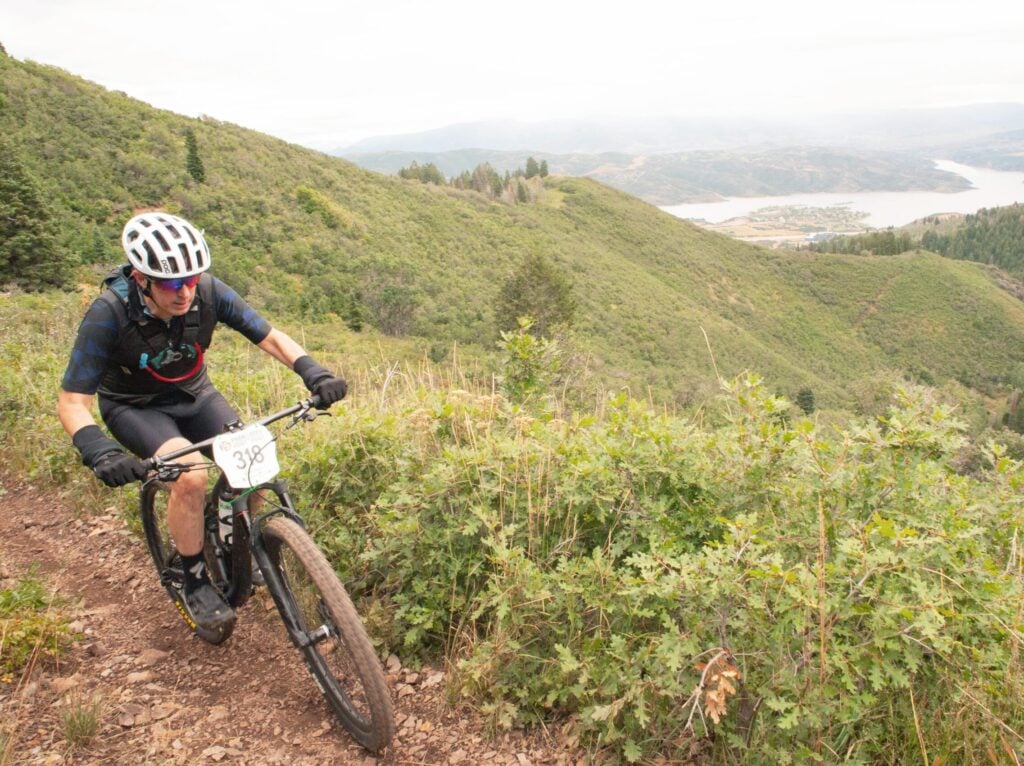
If you live off Trailside Drive and rolled out for an evening ride on Big Easy back in March, you probably noticed something odd. The trail was dry, which felt like a gift after a lackluster snow year. But it was also torn up in sections, with crew tape and fresh tread work where the singletrack used to be smooth. That wasn't neglect. That was Mountain Trails Foundation racing a clock most riders never think about.
The story locals told each other this spring was simple: winter ended early, dirt showed up ahead of schedule, bonus riding season. The real story is more useful to know if you actually live here, because it has nothing to do with how much snow fell and everything to do with how much time a maintenance crew gets before your favorite loop turns into a rutted mess for the rest of the year.
Round Valley is Trailside's backyard system in the most literal sense. Trailside Park sits at 5715 Trailside Drive, and Trailside Bike Park connects straight into the northern end of Round Valley, which is exactly why anything that happens to that trail network shows up in your weekend plans before it shows up anywhere else.
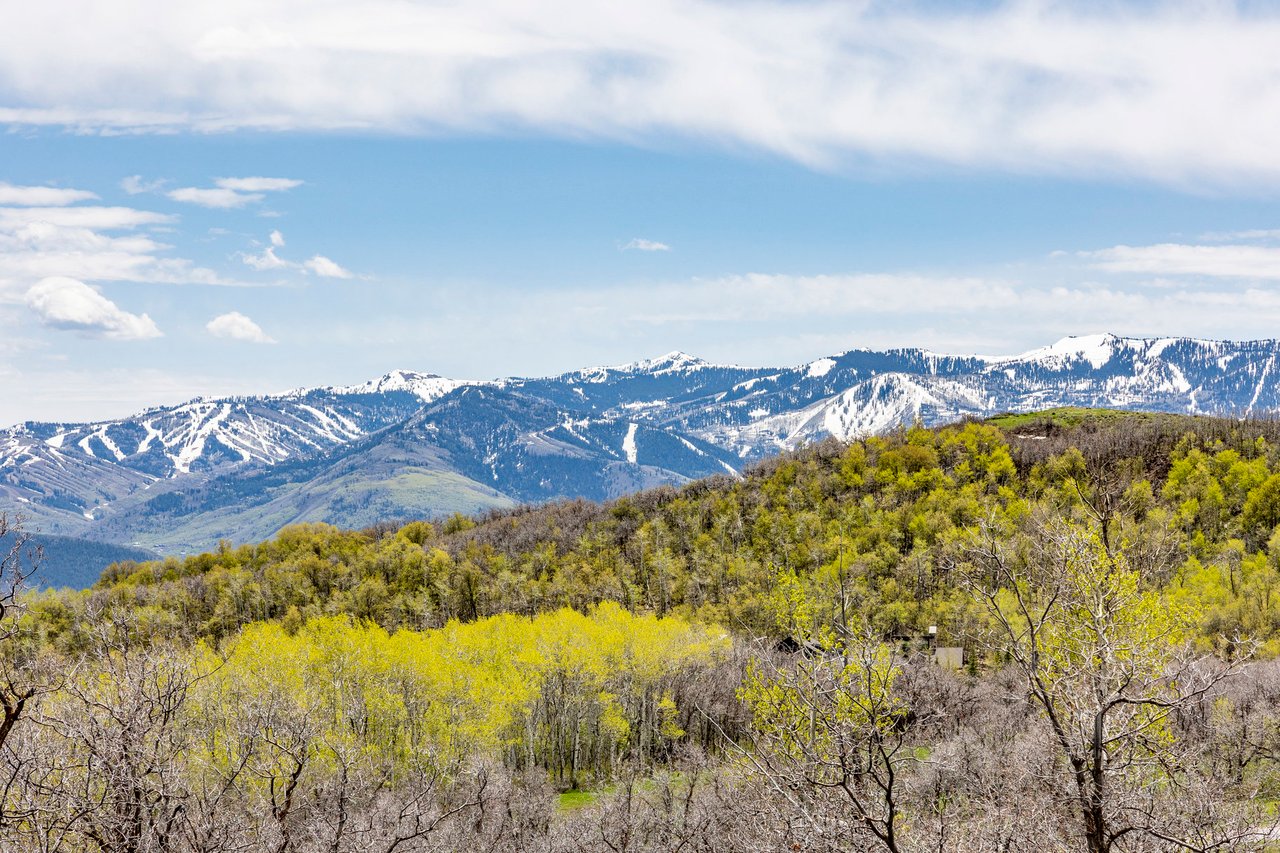
This spring, daytime temperatures climbing into the 60s and 70s, combined with overnight lows staying above freezing, broke the snowpack down to bare dirt fast, especially at lower elevations like Round Valley. By late March, much of the system was dry and rideable. That sounds like an unambiguous win. It wasn't, because dry ground and open trail are two different legal and physical conditions, and conflating them is the fastest way to end up somewhere you shouldn't be.
Two restrictions stayed in place regardless of how dry the dirt looked. Trails that sit on resort land remain closed until ski operations fully wrap for the season, no matter what the ground looks like underfoot. And wildlife closures continued across parts of Round Valley through April 15, a date that has nothing to do with moisture and everything to do with give animals room during a sensitive stretch of the calendar. A trail can look perfectly rideable and still be off limits for reasons unrelated to mud.
Here's the part that actually matters for anyone who rides this system regularly. Mountain Trails Foundation executive director Lora Anthony put it plainly this spring: "This dirt season is coming early. We've already begun maintenance in Round Valley." What sounded like good news for riders was, for her crews, a compressed and urgent maintenance window instead of an extended one.
Soil only holds the right amount of moisture to be shaped and repaired properly for a limited stretch after snowmelt. Too wet and it's mud that ruins tread. Too dry and it's dust that won't hold a shape. Crews spread across Round Valley, Skyridge, and Clark Ranch this spring specifically because that workable window doesn't wait around, and an early thaw means the window opens and closes early too, ahead of the usual summer riding surge.
That's why Big Easy, one of the most heavily used routes in the entire Round Valley network, got direct attention this spring rather than later in the season. Crews targeted wear on that trail specifically because heavy use during a compressed maintenance window is exactly what turns minor erosion into structural damage. The same logic applied to Pulp Friction, another route singled out for rebuilding work this year.
For a Trailside resident, this is the piece worth holding onto: an early season isn't simply more days on the calendar. It's a narrower opportunity for the people keeping your daily loop rideable to actually get ahead of the damage before summer traffic locks it in. Whether that work gets finished in time is the difference between a trail that feels good in August and one that's a washboard mess by July.
If you're riding out of the Trailside side of the system, the practical geography looks like this:
None of that changes because of an early season. What does change year to year is which specific stretch is mid-rebuild, which is exactly why checking current trail status before heading out beats assuming last year's map still applies.
Part of why this spring's response felt organized rather than reactive comes down to a staffing change most residents probably missed. Connor Maher took over as Mountain Trails Foundation's trails director this year, arriving with a background in trail building and maintenance work for nonprofits and the U.S. Forest Service. He's the one who confirmed the Big Easy and Pulp Friction rebuilds directly, describing the work as necessary heavy maintenance rather than routine upkeep.
The foundation also used this season to launch something new: the Adaptive Trail Assessment Program, a partnership with Wasatch Adaptive Sports and the National Ability Center aimed at identifying barriers across the trail system and guiding improvements that make more of Round Valley usable for adaptive riders. It's the kind of project that doesn't show up on a trail map but changes who can actually use the system your neighborhood backs onto.
Mountain Trails Foundation held its third annual Regional Trails Mixer this past May, a free event with a suggested five dollar donation, specifically to give riders a chance to hear directly from the people doing this work. It's worth watching for next year's version if you want the unfiltered version of what's happening on the trails you ride most.
If you've ridden Big Easy or Pulp Friction through the summer, you've been riding on tread that got an unusually early rebuild rather than one squeezed into a shortened post-runoff window the way it would in a normal year. That's the actual payoff of an early dirt season for someone living in Trailside: not more days on the calendar, but a longer stretch of usable maintenance time before the trails you use daily took on a full season of traffic.
It's also a reminder that living next to Round Valley means living next to a system that changes its rules and its rebuild priorities every year, sometimes for reasons as specific as a wildlife closure date or a staffing change at the foundation that keeps it running. Knowing which trail is mid-repair, which closure is seasonal rather than permanent, and which trailhead actually has parking on a Saturday morning is the kind of local knowledge that separates a resident from a visitor with a trail map app.
That's the same knowledge that matters when you're thinking about where in Park City actually fits how you live, not just where the views are best. If you want to talk through what a neighborhood like Trailside offers beyond the trail access, from schools to daily routines to how it compares with the rest of the Wasatch Back, INHABIT Park City is glad to walk you through it. Schedule a Neighborhood Tour and see it the way someone who already lives here would.
Stay up to date on the latest real estate trends.
Blog

Blog
Blog
Blog
Blog

Blog
Blog
We are committed to guiding you every step of the way—whether you're buying a home, selling a property, or securing a mortgage. Whatever your needs, we've got you covered.