Old Town Or Upper Deer Valley? Key Differences
Blog May 21, 2026
Blog May 21, 2026
Trying to choose between Old Town and Upper Deer Valley? You are not just picking a home. You are choosing between two very different Park City lifestyles. If you want a clearer way to compare walkability, ski access, architecture, rental rules, and long-term fit, this guide will help you sort through the differences and decide which neighborhood matches how you actually want to live. Let’s dive in.
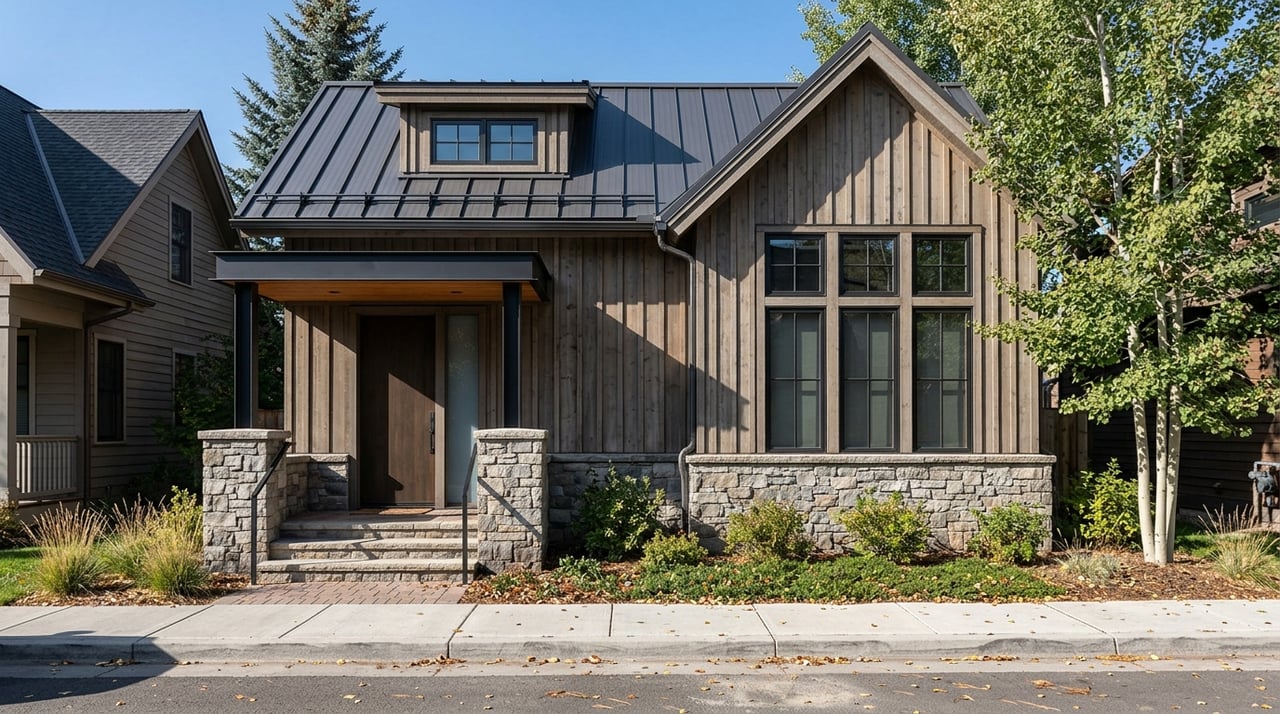
Old Town is Park City’s historic core. It is tied to the city’s earliest development, includes the protected Main Street Historic District, and reflects Park City’s long-standing focus on historic preservation, small-town character, and sense of community.
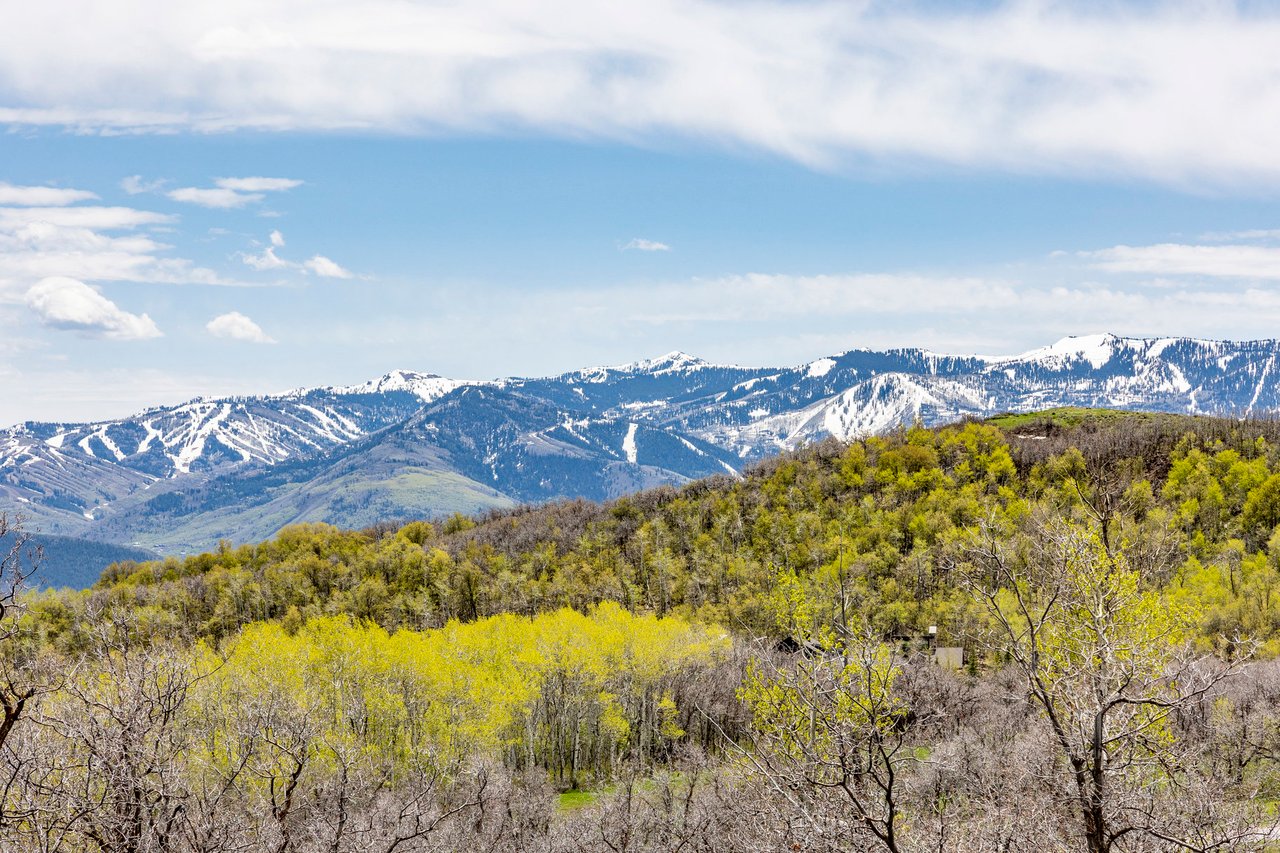
Upper Deer Valley is a resort neighborhood shaped around Deer Valley Resort rather than a historic street grid. Its planning framework centers more on open space, forested character, resort-style development patterns, and a quieter mountain setting.
In simple terms, Old Town feels more urban, compact, and connected to Main Street, while Upper Deer Valley feels more secluded, resort-oriented, and framed by open space.
Old Town has a denser, more layered feel. According to Park City’s neighborhood snapshot, it spans 532 acres with 1,338 residents and a density of 3.91 per acre. That more compact pattern supports the walkable, town-centered atmosphere many buyers picture when they think of classic Park City.
The city’s planning documents also show that Old Town is actively managed to balance historic character with daily livability. Current priorities include preserving neighborhood character while addressing parking, noise, trash, lighting, and the effects of nightly rentals.
Upper Deer Valley is much larger in land area but less dense in population. Park City’s neighborhood snapshot lists it at 2,343 acres with 501 residents and a density of 0.34 per acre.
That lower density helps explain the neighborhood’s more private, spread-out feel. Planning materials describe Upper Deer Valley as a remote neighborhood with development in clustered pods around open space, along with a grand forested aesthetic and a strong focus on preserving natural buffers.
If you are drawn to charm, texture, and architectural history, Old Town stands apart. Its lot pattern was historically platted at 25 feet by 75 feet, and the area is subject to design review for new construction, additions, restoration, and exterior work.
That means homes in Old Town exist within a more controlled historic framework. Infill and updates are expected to stay compatible with the district’s scale and fabric, which helps protect the neighborhood’s character but can also shape what is possible on a given parcel.
Upper Deer Valley presents a very different visual experience. The neighborhood is organized more around resort access and clustered development than around small historic parcels.
City planning materials describe a mountain timber aesthetic, limited single-family subdivisions, and a mix of resort-oriented multifamily and hotel development. If Old Town feels irregular and historic, Upper Deer Valley feels more intentionally planned, more spacious, and more aligned with a luxury resort setting.
For buyers who want to be close to restaurants, galleries, transit, and skiing, Old Town has a strong case. Park City Mountain identifies Town Lift as the direct ski access point from near Main Street, connecting skiers from Old Town up to the mountain.
Transit also adds to Old Town’s convenience. Park City Transit lists routes including Old Town Express and Deer Valley Express, and the Historic Park City Trolley runs every 15 minutes as a fare-free option between Main Street, Old Town, and the Transit Center.
Upper Deer Valley also delivers strong access to skiing, but in a different way. Deer Valley Resort is served by four base areas, with parking at Snow Park Lodge and East Village, while other access points rely on private transportation or free public transit.
This setup makes Upper Deer Valley highly convenient for resort use, especially if your priorities center on ski days and a quieter mountain setting. But compared with Old Town, it is generally less about walking to Main Street and more about resort-based mobility.
Old Town’s popularity comes with tradeoffs. City documents identify it as one of Park City’s more congested areas, and the city created a drop-and-load program to reduce double parking and traffic pressure around Main Street.
The neighborhood snapshot also notes narrow rights-of-way, limited parking, and construction impacts. If you love being in the middle of things, these may feel manageable. If you prefer a quieter daily rhythm, they are worth weighing carefully.
Upper Deer Valley is not free from traffic or rental-related issues, but the concerns look different. Its planning focus leans more toward preserving a quiet, forested setting, improving wildfire preparedness, and enforcing nightly-rental rules.
For many buyers, that translates into a more insulated atmosphere. You may trade some walkable convenience for a stronger sense of retreat.
If rental potential matters to you, Old Town has a long-established nightly-rental footprint. Park City requires a nightly-rental license for stays under 30 days where zoning allows, so rental use always depends on zoning, property type, and any HOA restrictions.
Within Old Town, nightly rentals are allowed in most residential areas, with some exceptions in Lower Rossi Hill and parts of the western Historic Residential Low-Density and McHenry sub-neighborhoods. That broad allowance helps support Old Town’s appeal for buyers who want flexibility in how they use the property.
Upper Deer Valley also supports nightly rentals in most cases, except for affordable deed-restricted units. At the same time, rental use there is often more tied to the specific project, building rules, and HOA structure.
The neighborhood snapshot reports that 75.5% of units are categorized as vacant, short-term-rental, or second-home stock. That points to a market strongly oriented toward seasonal use, second homes, and visitor stays.
Old Town’s resale story is often tied to walkability, historic character, and town-core access. Based on the available planning context and sales data, it generally offers a broader lifestyle appeal because buyers can value it for full-time living, second-home use, ski access, and proximity to Main Street.
The Park City Board of Realtors’ Q4 2025 summary reported Old Town median single-family pricing at $3.9 million across 53 sales. That level of transaction activity supports the view that Old Town has strong market liquidity within Park City proper.
Upper Deer Valley tends to attract buyers who prioritize privacy, resort identity, and a more secluded luxury setting. The same Q4 2025 summary reported Upper Deer Valley at a median of $4.9 million on 22 condo sales.
That does not mean one neighborhood always resells better than the other. It means the resale story is different. Old Town often benefits from wider demand and urban flexibility, while Upper Deer Valley often benefits from a more exclusive, resort-driven position.
There is no universal winner here. The better choice depends on how you want Park City to feel when you wake up, head to dinner, start a ski day, or think about future resale.
If you want everyday walkability and historic character, Old Town is often the stronger fit. If you want privacy, a forested setting, and a more resort-centered lifestyle, Upper Deer Valley may align better. The right move is the one that matches both your lifestyle and your ownership goals.
If you want help comparing specific homes, rental considerations, or resale positioning in Park City, Inhabit Park City - Julie Snyder can help you narrow the options and schedule a neighborhood tour with clear, data-backed guidance.
Stay up to date on the latest real estate trends.
Blog

Blog
Blog
Blog
We are committed to guiding you every step of the way—whether you're buying a home, selling a property, or securing a mortgage. Whatever your needs, we've got you covered.